
Time, budget, cooking skills, and social routines shape food decisions. Effective planning begins with these realities and then adds structure, not pressure.
Simple approaches to meal organisation without strict rules
This website explains how to organise meals with clarity and flexibility. Instead of rigid systems, the focus is on steady routines, practical preparation, and informed choices that fit real schedules. The material uses public guidance and peer-reviewed findings to help readers understand how small, repeated actions shape long-term eating patterns.
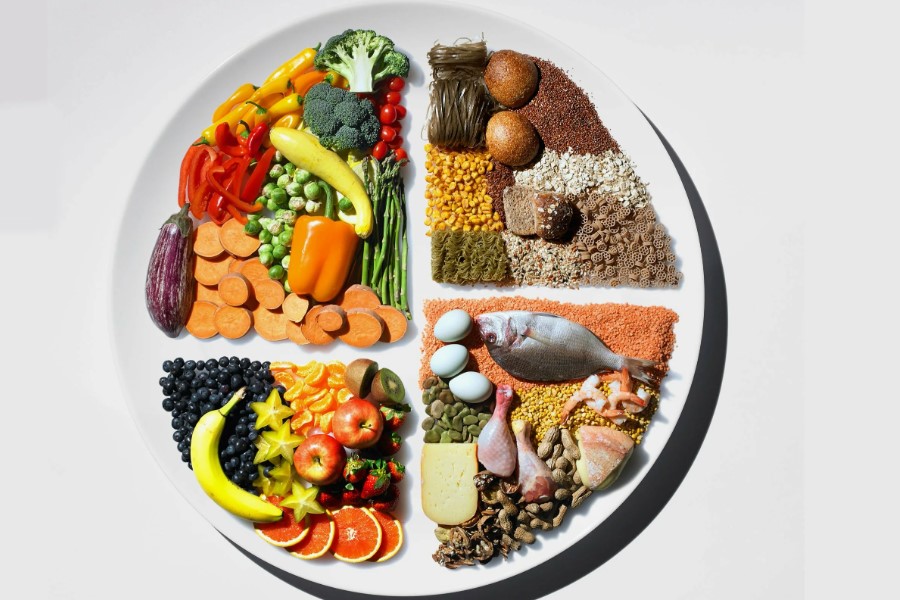
Why flexible nutrition planning works in daily life
Research on habit formation suggests repeated cues and small steps are easier to maintain than large abrupt changes in routine.
Weekly review of shopping, leftovers, and satiety feedback helps refine plans. Small adjustments create better fit over time.
Evidence-informed foundations
Guidance from the UK Eatwell model, NHS healthy eating pages, and systematic reviews on dietary patterns generally points to similar pillars: variety across food groups, regular inclusion of vegetables and fruit, suitable protein choices, fibre-rich staples, and mindful portions. Public recommendations also emphasise hydration and limiting heavily processed snacks in day-to-day settings. Instead of treating these points as strict rules, this site shows how they can be translated into realistic weekly rhythms.
When reading nutrition studies, the strongest practical value usually comes from patterns that can be repeated for months. For that reason, each page includes implementation steps: how to prepare shopping lists, how to reduce decision fatigue at dinner time, and how to balance convenience with home-cooked options. The intention is educational, clear, and practical for ordinary home routines.
Health & Safety Guidelines
- Store chilled items below 5°C and keep frozen items consistently frozen.
- Use separate boards for raw ingredients and ready-to-eat foods.
- Label leftovers with preparation date and rotate by earliest date.
- Follow package instructions for reheating and serving temperature.
- Wash produce well and maintain clean preparation surfaces.
Events Calendar
May 2026: Seasonal produce planning workshop with shopping map templates.
June 2026: Batch-cooking basics and lunchbox variety session.
July 2026: Tropical pantry ideas for warm-weather meals.
Planning blocks for a practical week
Pick three reliable meal formats and rotate ingredients.
Keep quick side options ready: grains, salads, roasted vegetables.
Leave one evening for leftovers or simple pantry combinations.
FAQs
How can meal planning stay flexible?
Use templates, not strict menus. Set a few meal types, then choose ingredients based on season, availability, and schedule.
How many times should a plan be reviewed?
A short weekly review is usually enough. Note what remained unused and what was most convenient to repeat.
Can convenience foods be included?
Yes. Pair convenience products with fresh ingredients to keep preparation realistic and varied.
From research to daily action
Research is most useful when it becomes a routine that can be repeated in real life. A practical reading of nutrition literature shows a consistent pattern: people usually keep habits longer when the process is simple, visible, and adaptable. Instead of building a perfect schedule, create a weekly structure that can absorb changes in work, travel, and social plans. The action plan below translates evidence-informed principles into clear steps. It is designed for ordinary home kitchens, mixed schedules, and realistic preparation time.
Step 01: Weekly Baseline
Pick one fixed planning moment each week, such as Sunday evening. Draft meals as flexible formats rather than strict recipes to keep room for schedule changes.
Step 02: Category List
Build shopping lists by food category: vegetables, fruit, proteins, grains, dairy or alternatives, and flavour elements. This keeps substitutions simple in-store.
Step 03: Three Anchors
Select three reliable meals that can be repeated with ingredient variations. These anchor meals reduce decision pressure on busy workdays.
Step 04: Component Prep
Prepare core elements in one focused session: grains, chopped vegetables, and one protein base. Combine them in bowls, wraps, soups, or salads during the week.
Step 05: Flexible Buffer
Keep one evening open for leftovers or pantry combinations. This buffer protects the plan when routines shift and helps reduce food waste.
Step 06: Visual Cues
Store ready-to-use ingredients in visible containers and label dates. Clear visual cues improve follow-through and simplify next-day meal assembly.
Step 07: Weekly Review
Review practicality at week end: what was convenient, what stayed unused, and what should be repeated. Use this feedback to refine the next cycle.
Step 08: Monthly Tune-Up
Each month, adjust seasonal ingredients, budget strategy, and preparation timing. Small refinements keep the routine effective over longer periods.
This approach connects evidence and action through repetition, review, and adjustment. The goal is not strict control. The goal is a stable framework that supports informed choices day after day, with enough flexibility to remain useful in everyday life.
Explore detailed pages
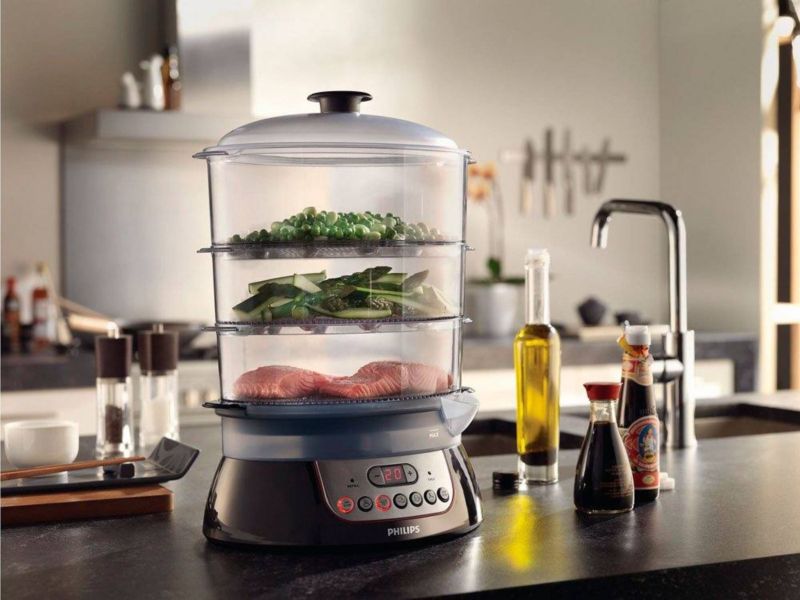
Planning Studio
Turn research into a practical weekly flow with a simple structure. Start by selecting three dependable meal formats and two flexible add-ons that match your schedule. Then map these formats to shopping categories, not strict dishes, so substitutions stay easy when products change. Keep one preparation window for reusable components such as grains, sauces, and chopped vegetables. This approach reduces evening decision friction and helps maintain variety across the week. End each week with a short review: what was fast, what created waste, and what should be repeated. Over time, this cycle creates a clear routine that stays adaptable during busy periods. It is a useful way to apply evidence-based nutrition ideas through repeatable, realistic actions.
Learn more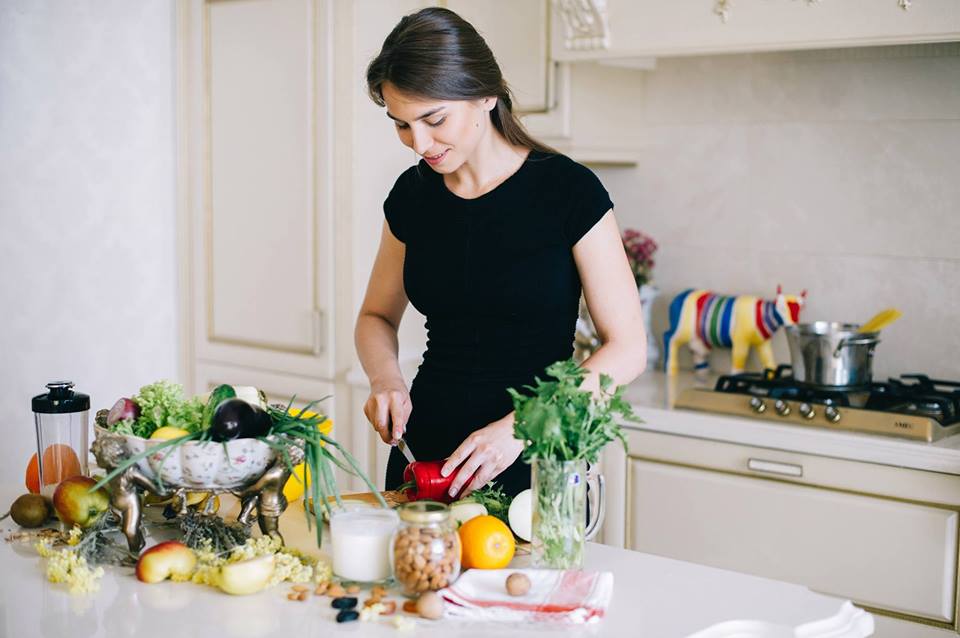
Daily Meal Flow
Build each day from prepared components and fresh options. Use your anchor meals as a base, then rotate ingredients according to season and availability. This keeps the plan practical while preserving food quality and interest.
Learn moreEditorial and advertising transparency
This website is an independent educational resource about meal organisation and food planning. Content is written for general information, with practical examples intended for everyday use in the United Kingdom. We do not publish promises of outcomes, rapid transformations, or personalised claims. Information is presented as guidance that users can adapt to their own routines and preferences.
Where research is discussed, we prioritise public guidance and reputable publications, and we describe practical application steps in plain language. This site does not provide individual diagnosis, treatment instructions, or personal clinical recommendations. Readers who need personal advice should consult an appropriately qualified professional. We also maintain transparent pages for Privacy Policy, Cookie Policy, and Terms of Use to explain data handling, consent options, and user rights.